

Your Print Project Isn’t Finished When the Printing Stops
Paper, ink and design create the foundation of a printed piece. But sometimes it is what happens after printing that makes the biggest impression.
Print finishing techniques can add texture, shine, durability, dimension or an unexpected tactile element. For brands trying to create something more memorable than an ordinary brochure, booklet, invitation or presentation piece, finishing deserves just as much thought as the design itself.
Here are a few options worth considering.
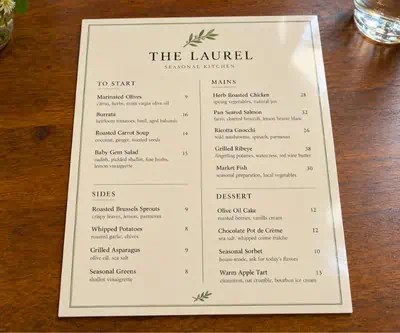
Film Lamination: Protection With a Premium Feel
Film lamination applies a thin protective layer over the printed surface. Beyond helping protect a piece from fingerprints, moisture and everyday wear, lamination can dramatically change how it feels in someone’s hands.
Gloss lamination can make colors feel brighter and more vibrant, while matte and soft-touch finishes can create a more understated, premium appearance.
For book covers, presentation materials, menus and marketing collateral designed to last, lamination can provide both durability and visual impact.
Foil Stamping: A Little Shine Goes a Long Way
Foil stamping is one of those print finishing techniques that immediately catches the eye.
Metallic foil, specialty colors and other effects can be used to highlight a logo, headline, border or design element. The key is restraint. You do not necessarily need foil across an entire design.
A strategically placed foil accent can make packaging, invitations, book covers, brochures and corporate materials feel significantly more distinctive.
Exposed Smyth Sewing: When the Binding Becomes the Design
Binding usually exists to hold pages together.
Exposed Smyth sewing turns it into part of the visual experience.
With this bookbinding technique, signatures are sewn together using thread, and the sewing can intentionally remain visible. The result is a distinctive handcrafted aesthetic that works especially well for premium books, portfolios, photography books, journals and design-focused publications.
It is a great example of how production itself can become part of the creative concept.
Start Thinking About Finishing Early
One of the biggest mistakes in print production is treating finishing as something to figure out after the design is complete.
If you know you want foil stamping, lamination, specialty binding, die cutting, embossing or another custom print finish, talk to your printer early. Paper selection, ink coverage, layout and even the placement of design elements may affect which finishing techniques will produce the best result.
The goal is not to add a finish simply because you can.
It is to choose the finishing technique that reinforces what you want someone to feel when they pick up the piece.
Sometimes one small detail is all it takes to make print unforgettable.
Frequently Asked Questions
What are print finishing techniques?
Print finishing refers to processes performed during or after printing to change the appearance, texture, durability or construction of a printed piece. Examples include lamination, foil stamping, embossing, die cutting, specialty coatings and bookbinding.
What is film lamination used for?
Film lamination can protect printed materials while creating a matte, gloss or other specialty surface. It is commonly used for book covers, menus, presentation materials, packaging and premium marketing collateral.
What is foil stamping?
Foil stamping uses heat and pressure to apply metallic or specialty foil to selected areas of a printed piece. It is frequently used for logos, titles and decorative design elements.
What is Smyth sewing?
Smyth sewing is a durable bookbinding method in which groups of folded pages are sewn together with thread. Exposed Smyth sewing intentionally makes that construction visible as part of the book’s design.
Get in touch with our team today to discuss your next project and the best options for print finishes!