Creative Burnout: How to Stay Inspired and Avoid Overworking Yourself
In the fast-paced and often demanding world of creative professionals, maintaining passion and productivity can feel like a balancing act. Deadlines, client demands, and the pressure to constantly innovate can lead to creative burnout—a state of physical, emotional, and mental exhaustion that stifles your ability to create. If this sounds familiar, you’re not alone, but the good news is that creative burnout can be avoided. Here are actionable strategies to help you stay inspired while keeping overwork at bay.
1. Recognize the Signs of Burnout
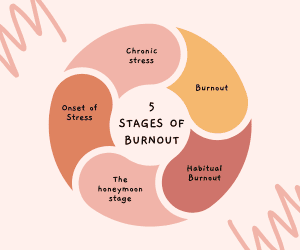
Burnout doesn’t happen overnight. It creeps in gradually, often starting with subtle signs such as:
Chronic exhaustion, even after rest.
A lack of enthusiasm for projects you once enjoyed.
Feeling disconnected from your work or colleagues.
Difficulty focusing or generating new ideas.
The first step to combating burnout is acknowledging these signs early. Pay attention to how you feel and don’t dismiss these signals as “just part of the job.”
2. Set Boundaries
One of the quickest paths to burnout is the lack of clear boundaries between work and personal life. Here’s how to establish healthier limits:
Learn to say no to projects that don’t align with your values or capacity.
Set office hours and stick to them, even if you work from home.
Turn off work notifications after hours to prevent constant intrusion into your personal time.
Boundaries not only protect your time but also your mental energy.
3. Build a Routine That Fuels Creativity
Structure doesn’t stifle creativity; it nurtures it. A consistent routine can help you avoid decision fatigue and make space for inspiration. Consider incorporating:
Morning rituals: Journaling, meditating, or exercising can set the tone for a productive day.
Scheduled breaks: Use the Pomodoro technique or similar methods to balance work with rest.
Dedicated creative time: Reserve uninterrupted blocks for deep work on your most inspired projects.
4. Seek Inspiration Outside Your Comfort Zone
Creativity thrives on fresh input. When you’re stuck in a rut, stepping outside your usual sources of inspiration can reignite your passion:
Explore art forms unrelated to your work, like attending a dance performance or visiting a museum.
Read books, watch films, or listen to music in genres you’re not familiar with.
Connect with creatives in different industries to gain new perspectives.
5. Collaborate and Delegate
Creativity doesn’t have to be a solo endeavor. Collaboration can spark ideas and lighten the workload:
Partner with other professionals to brainstorm or execute projects.
Delegate non-creative tasks, like administrative work, to free up mental bandwidth.
Join communities or forums where you can share challenges and solutions with peers.
6. Prioritize Self-Care
You can’t create your best work if you’re not taking care of yourself. Self-care goes beyond spa days and bubble baths—it’s about nurturing your physical and emotional well-being:
Eat nourishing foods, stay hydrated, and get regular exercise.
Make time for hobbies unrelated to work to give your brain a break.
Seek support from friends, family, or a therapist when you need it.
7. Revisit Your “Why”
When burnout looms, reconnecting with the reasons you pursued your creative career can be a powerful antidote:
Reflect on the moments that made you fall in love with your craft.
Create a vision board or journal to visualize your goals and aspirations.
Focus on the impact your work has on others, whether it’s inspiring audiences or solving problems.
8. Embrace Imperfection
Perfectionism is a creativity killer. Accept that not every project will be groundbreaking or flawless:
Set realistic expectations for yourself and your work.
Celebrate progress, not just results.
Remember that mistakes are part of the learning process and often lead to unexpected breakthroughs.
Avoiding creative burnout is an ongoing practice, not a one-time fix. By setting boundaries, building routines, seeking inspiration, and prioritizing self-care, you can sustain your creativity and passion for the long haul. Remember, your best ideas come not from overworking but from staying inspired and balanced.
Start small by implementing just one or two of these strategies today. Over time, they’ll add up to a healthier, more fulfilling creative career. Stay inspired, and keep creating!
SHARE
Request a Quote
Over the years we have accumulated a lot of knowledge about how to create compelling impactful marketing communications. We are here to answer any questions you might have or offer guidance to help take your project from good to GREAT! Give us a call today.
Used by Google Analytics to determine which links on a page are being clicked
30 seconds
_gat
Used to monitor number of Google Analytics server requests when using Google Tag Manager
1 minute
_gid
ID used to identify users for 24 hours after last activity
24 hours
_ga_
ID used to identify users
2 years
_ga
ID used to identify users
2 years
__utmx
Used to determine whether a user is included in an A / B or Multivariate test.
18 months
__utmv
Contains custom information set by the web developer via the _setCustomVar method in Google Analytics. This cookie is updated every time new data is sent to the Google Analytics server.
2 years after last activity
__utmz
Contains information about the traffic source or campaign that directed user to the website. The cookie is set when the GA.js javascript is loaded and updated when data is sent to the Google Anaytics server
6 months after last activity
__utmc
Used only with old Urchin versions of Google Analytics and not with GA.js. Was used to distinguish between new sessions and visits at the end of a session.
End of session (browser)
__utmb
Used to distinguish new sessions and visits. This cookie is set when the GA.js javascript library is loaded and there is no existing __utmb cookie. The cookie is updated every time data is sent to the Google Analytics server.
30 minutes after last activity
__utmt
Used to monitor number of Google Analytics server requests
10 minutes
__utma
ID used to identify users and sessions
2 years after last activity
_gac_
Contains information related to marketing campaigns of the user. These are shared with Google AdWords / Google Ads when the Google Ads and Google Analytics accounts are linked together.
90 days
Marketing cookies are used to follow visitors to websites. The intention is to show ads that are relevant and engaging to the individual user.