

Sustainability has become a priority for brands across nearly every industry. At the same time, packaging still has a job to do. It needs to protect the product, communicate value, and stand out on the shelf. The challenge is finding a balance between reducing waste and maintaining the visual and functional impact that drives purchasing decisions.
The good news is that thoughtful packaging design can accomplish both. Brands that approach packaging with intention often discover that reducing waste actually leads to cleaner design, stronger messaging, and better performance overall.
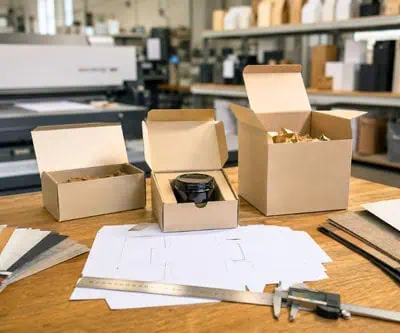
Right-Sizing Cartons for Efficiency and Impact
One of the most overlooked opportunities to reduce packaging waste is simply using the right size carton. Oversized packaging not only increases material usage, but also drives up shipping costs and creates a poor customer experience.
Right-sizing starts with understanding the product dimensions and how it sits within the packaging. A properly fitted folding carton eliminates unnecessary void space while still protecting the contents. This often allows brands to reduce the need for additional fillers or inserts.
There is also a visual advantage. A well-proportioned package feels more intentional and premium. When the structure fits the product closely, the design reads as more refined and purposeful on the shelf.
For brands using folding cartons, small structural adjustments can lead to significant material savings over time. Even slight reductions in board usage across large production runs can have a measurable environmental and financial impact.
Choosing Recyclable and Responsible Materials
Material selection plays a major role in both sustainability and brand perception. Many brands assume that eco-friendly materials require sacrificing print quality or durability, but that is no longer the case.
Modern paperboard options offer excellent print surfaces while still being widely recyclable. Choosing the right coatings and inks can further support sustainability goals without compromising color vibrancy or finish.
Consumers are also becoming more aware of what packaging is made from. Clear messaging around recyclable materials can reinforce brand values and build trust. When done correctly, sustainability becomes part of the product story rather than a limitation.
It is important to work with a print partner who understands how different substrates perform in real-world conditions. The goal is to ensure that the packaging looks great on the shelf and holds up through distribution while still aligning with environmental goals.
Minimizing Inserts Without Losing Functionality
Inserts are often added to packaging as a way to protect products or organize multiple components. However, they are also a common source of unnecessary waste.
In many cases, inserts can be reduced or eliminated entirely through smarter structural design. Custom folds, locking mechanisms, and interior supports can be built directly into the carton itself. This approach reduces the number of materials used while simplifying the overall packaging system.
When inserts are necessary, there are still opportunities to improve. Using a single material type rather than mixed materials makes recycling easier. Designing inserts that are minimal but functional helps reduce waste without compromising product safety.
From a branding perspective, fewer components can actually improve the customer experience. A clean, streamlined unboxing process feels more modern and intentional compared to excessive layers of packaging.
Designing for Both Sustainability and Shelf Appeal
There is a misconception that sustainable packaging needs to look plain or understated. In reality, constraints often lead to better design decisions.
When brands focus on using less material, they are forced to prioritize what matters most. This often results in clearer messaging, stronger typography, and more strategic use of color and space. The end result can feel more premium, not less.
Finishing techniques can also be used more selectively. Instead of relying on heavy coatings or multiple embellishments, brands can highlight key elements with targeted finishes. This approach maintains visual impact while reducing overall material usage.
Sustainability and shelf appeal are not competing goals. When approached thoughtfully, they reinforce each other. Packaging that is efficient, well-designed, and environmentally responsible often stands out more because it feels intentional and aligned with modern consumer expectations.
The Long-Term Advantage of Smarter Packaging
Reducing packaging waste is not just about meeting environmental goals. It also creates operational efficiencies and strengthens brand positioning.
Lower material usage can reduce production and shipping costs. Simplified packaging structures can improve packing speed and reduce errors. Clear sustainability messaging can resonate with customers who are actively looking for brands that align with their values.
Over time, these small improvements add up. Brands that invest in smarter packaging strategies often find that they gain a competitive advantage both on the shelf and behind the scenes.
FAQs
How can packaging be reduced without affecting product protection?
Packaging can be reduced by right-sizing cartons and integrating protective features into the structure itself. Custom folds and reinforced areas can replace separate inserts while still keeping the product secure.
Are recyclable materials as durable as traditional packaging materials?
Yes, many modern paperboard materials offer excellent durability and print quality. With the right coatings and design, recyclable packaging can perform just as well as traditional options.
Does sustainable packaging limit design options?
Not at all. In many cases, sustainable packaging leads to cleaner and more focused design. Strategic use of color, typography, and finishes can create strong shelf appeal without excess materials.
What is the biggest mistake brands make with packaging waste?
One of the most common issues is over-packaging. Using cartons that are too large or adding unnecessary inserts increases waste and cost without adding value to the customer experience.
Get in touch with our team today to discuss your next project!