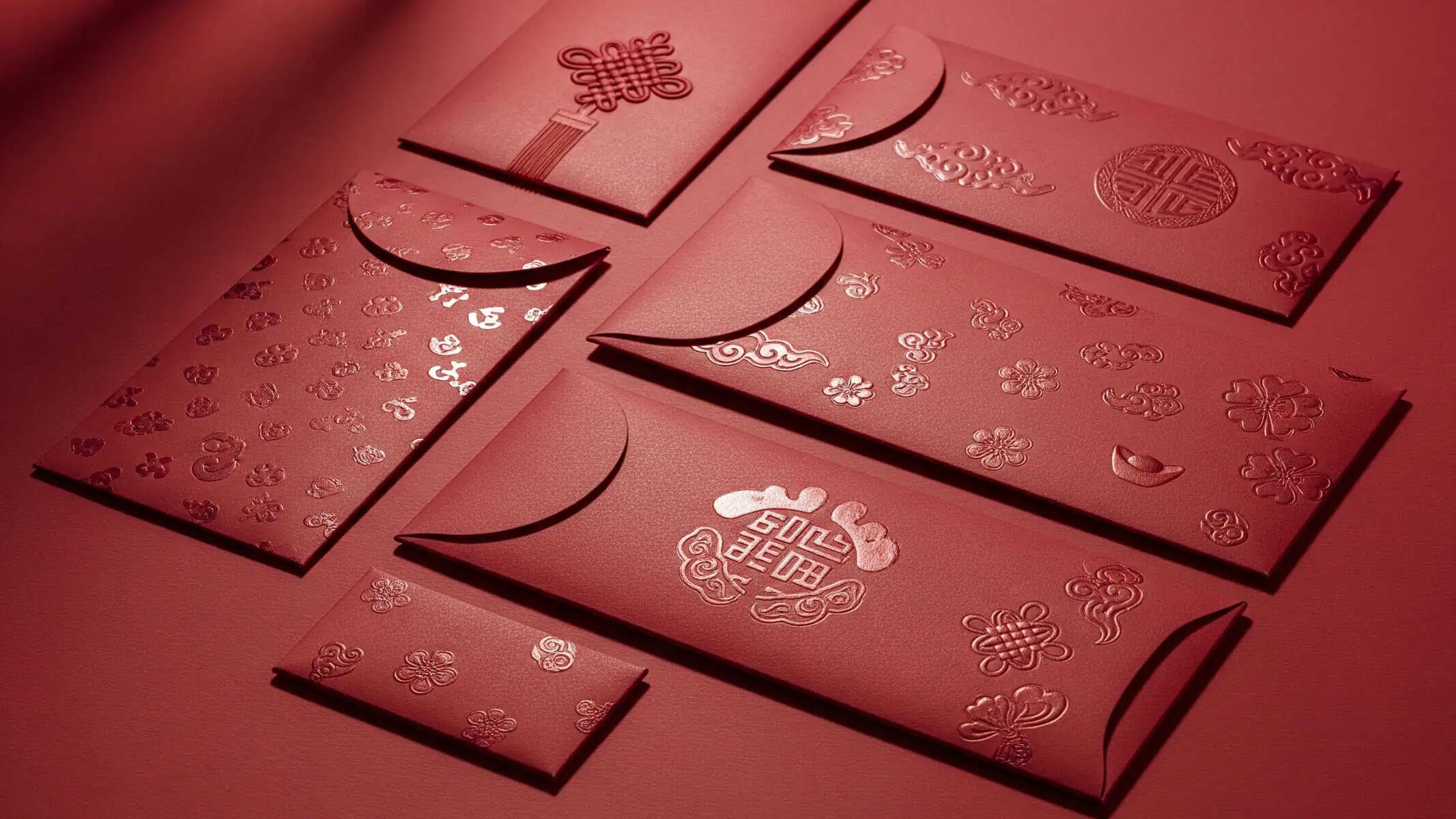
Sensory Branding: The ROI of Specialty Finishes in Premium B2B Marketing
In premium B2B marketing, most brand conversations focus on messaging, positioning, and visual identity. What is discussed far less often is how a brand feels in the hand and how that physical interaction shapes perception before a single word is read. At RoyerComm, we see firsthand how sensory branding, specifically the use of specialty print finishes, directly impacts engagement, credibility, and long-term brand recall.
Foil stamping, embossing, debossing, and soft-touch coatings are not aesthetic flourishes. They are tactical tools that influence haptic response, perceived value, and buyer confidence. For experienced and technical audiences, these signals matter because they are accustomed to evaluating quality, consistency, and execution as proxies for operational maturity.
What Is Sensory Branding in B2B Marketing?
Sensory branding in B2B marketing refers to the deliberate use of physical cues to influence how a brand is perceived through touch, weight, texture, and surface behavior. While visual branding dominates digital channels, printed materials offer something screens cannot: haptic feedback.
When a prospect picks up a printed piece, their brain immediately begins forming judgments based on tactile input. The caliper of the paper, the resistance of the surface, and the precision of finishing all contribute to a subconscious assessment of quality and trustworthiness. This assessment happens faster than rational analysis and often sets the tone for how the message itself is received.
For brand managers marketing complex or high-value offerings, this early sensory evaluation can either reinforce credibility or quietly undermine it.
Understanding Haptic Response in Printed Marketing Materials
Haptic response is the neurological and psychological reaction to touch. In commercial printing, it is shaped by measurable variables such as surface friction, micro-texture, rigidity, and thermal perception. These factors influence whether a piece feels refined, engineered, soft, or disposable.
From a production standpoint, haptic response is not subjective. It is engineered through material selection and finishing techniques. An uncoated stock with visible fiber behaves very differently than a laminated sheet with a soft-touch coating. A blind emboss communicates something entirely different than a high-gloss foil accent.
The key is alignment. When the tactile experience supports the brand promise, the piece feels coherent. When it does not, even well-written content can feel less credible.
Foil Stamping and Perceived Brand Value
Foil stamping is one of the most recognizable specialty finishes in premium print marketing, but its effectiveness depends heavily on execution and restraint. In B2B applications, foil works best when it establishes hierarchy and intention rather than decoration.
Well-executed foil signals investment and precision. Technical buyers recognize that foil requires tooling, setup, and control. When applied selectively, it directs attention to key brand elements such as a logo, headline, or call to action while reinforcing a sense of importance.
Poorly executed or excessive foil has the opposite effect. Registration issues, overuse, or mismatched substrates quickly erode trust. In premium B2B marketing, foil ROI comes from clarity and focus, not surface-level shine.
Embossing and Debossing as Credibility Signals
Embossing and debossing introduce physical depth, which the brain interprets as structure and permanence. These finishes are particularly effective for brands that need to communicate authority, stability, or craftsmanship.
A clean emboss with consistent depth suggests control and repeatability. It tells the reader that the brand values precision and process. This is especially relevant in industries where reliability and execution are as important as innovation.
From a commercial printing perspective, embossing requires careful coordination between artwork, stock selection, and presswork. When done correctly, it increases tactile engagement and dwell time. When done poorly, it creates distortion and undermines the premium intent.
Soft-Touch Coatings and Buyer Confidence
Soft-touch coatings play a different role in sensory branding. Rather than drawing attention, they create a controlled and calming tactile environment. The reduced glare and uniform surface lower visual and sensory noise, allowing complex information to feel more approachable.
For B2B brands selling sophisticated services or high-consideration products, soft-touch finishes can reduce perceived risk. The piece feels deliberate and composed rather than aggressive. This subtle confidence often translates into longer handling time and greater retention.
Soft-touch coatings are most effective when used strategically, often as a base layer that allows selective tactile contrast through spot UV, embossing, or foil. Overuse without contrast can flatten hierarchy and diminish impact.
Measuring the ROI of Specialty Print Finishes
In premium B2B marketing, ROI is rarely about volume efficiency. It is about outcome efficiency. Specialty finishes influence behaviors that are difficult to measure in isolation but meaningful in aggregate.
Printed materials with strong sensory engagement are more likely to be opened, handled, retained, and shared internally. They support sales conversations by establishing credibility before a meeting begins. They help brands command attention in environments saturated with digital noise.
When account values are high and sales cycles are long, even small improvements in response rates or conversion quality can justify the investment in premium print finishes. This is why specialty finishes consistently perform best in account-based marketing campaigns, executive outreach, sales enablement materials, and high-stakes brand introductions.
Choosing the Right Specialty Finishes for Your Brand
The most effective specialty print strategies begin with brand intent rather than visual trends. A brand positioned around precision and engineering benefits from crisp execution and controlled depth. A brand built on discretion and trust may benefit more from soft-touch coatings and subtle tactile cues. Innovation-driven brands can push boundaries, but only when the execution remains disciplined.
From RoyerComm’s perspective, production quality is inseparable from branding. Registration accuracy, finish durability, scuff resistance, and handling all influence perceived quality. Experienced B2B audiences notice when something is slightly off. Consistency across a print run is often more important than complexity.
Why Sensory Branding Still Matters in a Digital-First World
As digital marketing becomes more crowded and more uniform, physical touchpoints carry increasing weight. Sensory branding through print provides a moment of focus and credibility that digital channels struggle to replicate.
Specialty finishes give brand managers a way to translate abstract brand values into physical proof. When foil, embossing, and soft-touch coatings are selected strategically and produced with care, they do more than elevate appearance. They reinforce trust, support premium positioning, and contribute to measurable business outcomes.
That is the real ROI of sensory branding in premium B2B marketing. Get in touch with our team today to discuss your next project!
Learn how print brokers actually make money by balancing markups and value pricing. Discover strategies to increase margins, bundle services, and avoid competing on price.
Discover how brochures, packaging, and branded print materials build trust and credibility in a digital-first world. Learn why print marketing still matters.
Over the years we have accumulated a lot of knowledge about how to create compelling impactful marketing communications. We are here to answer any questions you might have or offer guidance to help take your project from good to GREAT! Give us a call today.