Unconventional Uses of Printed Materials: Expanding the Creative Possibilities
It’s easy to overlook the power and versatility of printed materials. However, print remains a vital medium, not just for traditional uses like business cards or brochures but also for creative, unconventional applications that can set your brand apart. At RoyerComm, we believe that printed materials are not just communication tools—they are opportunities for innovation. Here are some unconventional ways to leverage print to make a lasting impression.
Interactive Print Campaigns
Interactive print combines the tactile nature of printed materials with digital technology to create an engaging experience. For instance, you can incorporate QR codes or NFC tags into print pieces, leading customers to exclusive online content, AR experiences, or special promotions. Imagine a direct mail piece that, when scanned, reveals a 3D model of your product on the recipient’s smartphone. This blend of physical and digital worlds adds a new layer of engagement that pure digital campaigns often lack.
Custom Wallpaper and Wall Murals
Businesses and homes are increasingly looking for unique ways to personalize their spaces, and custom-printed wallpaper or murals are perfect solutions. Printing technology now allows for high-quality, large-scale designs that can transform an ordinary wall into a work of art. Whether it’s branding a corporate office with a stunning mural or creating a serene environment in a healthcare facility, custom-printed walls offer an unconventional way to use printed materials that goes beyond paper.
Printed Fabrics for Events and Interiors
Printed fabrics are another creative application of print technology. From branded tablecloths and banners at trade shows to custom curtains or upholstery in a boutique hotel, printed textiles offer a unique way to extend your branding or aesthetic into three-dimensional spaces. The versatility of fabrics means they can be used for everything from fashion to home décor, providing endless possibilities for creativity.
Sustainable Printing for Green Marketing
With sustainability becoming increasingly important, eco-friendly printed materials are gaining traction. Companies can now produce biodegradable or recyclable printed items, like seed paper business cards that can be planted to grow into flowers or herbs. These sustainable alternatives not only reduce environmental impact but also create a memorable experience for the recipient, reinforcing your brand’s commitment to the environment.
Augmented Reality-Enhanced Print
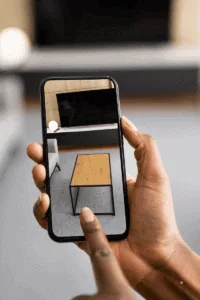
Augmented Reality (AR) is not just for apps or games; it can also be integrated into printed materials. By using a smartphone or tablet, users can interact with printed pieces in entirely new ways. For example, a printed catalog might allow users to visualize products in their home through AR, or a book might offer interactive content that enhances the reading experience. This fusion of print and technology can create a deeper connection with your audience, making your print materials more than just a static medium.
Printed Packaging with a Purpose
Gone are the days when packaging was just a means to protect products. Today, packaging is a powerful branding tool, and creative printed designs can make a significant impact. Consider packaging that doubles as a functional item—like a box that can be unfolded into a poster or a container that can be repurposed as storage. These thoughtful designs not only enhance the customer experience but also promote sustainability by encouraging reuse.
Printed Electronics
Yes, you read that right—printed electronics. This cutting-edge technology involves printing conductive materials onto substrates to create circuits and electronic components. This could range from smart packaging that lights up when touched, to printed sensors on labels that monitor temperature or humidity. While this might still be a niche area, it represents the future of print and opens up a world of possibilities for innovative applications.
Personalized Art Prints
In the world of home décor, personalized art prints are gaining popularity. Whether it’s custom maps of a city, a star chart of a special date, or even pet portraits, these personalized items resonate deeply with consumers. Printing companies can capitalize on this trend by offering high-quality, customizable prints that cater to individual tastes and preferences.
At RoyerComm, we see printed materials as more than just paper and ink. They are canvases for creativity, innovation, and communication. By exploring these unconventional uses of print, you can not only differentiate your brand but also create memorable, impactful experiences for your audience. Whether it’s through interactive campaigns, sustainable options, or even printed electronics, the possibilities are truly endless. Embrace the unconventional, and let print take you beyond the expected.
SHARE
Request a Quote
Over the years we have accumulated a lot of knowledge about how to create compelling impactful marketing communications. We are here to answer any questions you might have or offer guidance to help take your project from good to GREAT! Give us a call today.
Used by Google Analytics to determine which links on a page are being clicked
30 seconds
_gat
Used to monitor number of Google Analytics server requests when using Google Tag Manager
1 minute
_gid
ID used to identify users for 24 hours after last activity
24 hours
_ga_
ID used to identify users
2 years
_ga
ID used to identify users
2 years
__utmx
Used to determine whether a user is included in an A / B or Multivariate test.
18 months
__utmv
Contains custom information set by the web developer via the _setCustomVar method in Google Analytics. This cookie is updated every time new data is sent to the Google Analytics server.
2 years after last activity
__utmz
Contains information about the traffic source or campaign that directed user to the website. The cookie is set when the GA.js javascript is loaded and updated when data is sent to the Google Anaytics server
6 months after last activity
__utmc
Used only with old Urchin versions of Google Analytics and not with GA.js. Was used to distinguish between new sessions and visits at the end of a session.
End of session (browser)
__utmb
Used to distinguish new sessions and visits. This cookie is set when the GA.js javascript library is loaded and there is no existing __utmb cookie. The cookie is updated every time data is sent to the Google Analytics server.
30 minutes after last activity
__utmt
Used to monitor number of Google Analytics server requests
10 minutes
__utma
ID used to identify users and sessions
2 years after last activity
_gac_
Contains information related to marketing campaigns of the user. These are shared with Google AdWords / Google Ads when the Google Ads and Google Analytics accounts are linked together.
90 days
Marketing cookies are used to follow visitors to websites. The intention is to show ads that are relevant and engaging to the individual user.