Being Easy to Work With Beats Being a Design Genius
At RoyerComm, we’ve collaborated with designers and creative teams for over five decades. Some of the most memorable partnerships haven’t come from the most brilliant creatives—but from the most collaborative ones.
Yes, we love a great concept. A bold layout. An unexpected fold or finish. But you know what we remember more? The people who made the process seamless, fun, and—when it counted most—reliable.
This post isn’t about knocking talent. It’s about elevating the often-overlooked trait that makes good creative teams great: emotional intelligence.
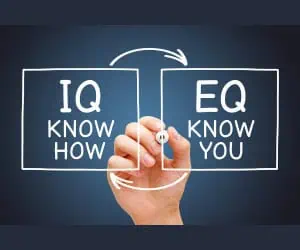
Why EQ > IQ in Creative Work
Design programs are excellent at sharpening your eye and training your brain—but not so much your people skills. Things like:
Giving and receiving feedback with grace
Asking clarifying questions instead of defending assumptions
Meeting tight deadlines without creating chaos
Rolling with last-minute changes without ego
These aren’t taught in the classroom. But they’re what keep clients coming back and creative directors requesting you again and again.
What Clients and Teams Actually Value
It’s easy to assume clients want the most innovative designer on their roster. But when deadlines are tight, budgets are inflexible, and cross-functional teams are in the mix, the person who listens well, communicates clearly, and problem-solves without drama wins.
In short: people want to work with people who make the process better—not harder.
What “Easy to Work With” Really Looks Like
Being easy to work with doesn’t mean being a pushover. It means showing up with:
Clarity – You set expectations and meet them.
Humility – You know when to push back and when to pivot.
Reliability – You meet deadlines, every time.
Empathy – You get the client’s goals, not just the creative brief.
We’ve seen junior designers with average portfolios win huge accounts—not because they dazzled, but because they delivered and adapted.
Be the Person Clients Want in the Room
Want to be invaluable? Be the calm when the pressure’s high. Be the one who solves problems rather than creates them. Be the bridge between wild creative ideas and real-world production realities.
That’s how you build a career.
And when it comes to print, those soft skills go even further. A simple conversation about paper weight, finish, or turnaround can make or break a campaign. When you’re working with a team like RoyerComm, having that ease of collaboration means we can bring your vision to life without friction.
Final Thought
Design genius might win awards. But emotional intelligence wins trust, referrals, and repeat business.
If you want to work with a print partner who values both, RoyerComm is here. We’ll match your creative energy and meet you with the same flexibility and clarity we hope you bring to the table.
Want to collaborate with a print team that’s as easy to work with as you are? Let’s talk. Contact us today!
Over the years we have accumulated a lot of knowledge about how to create compelling impactful marketing communications. We are here to answer any questions you might have or offer guidance to help take your project from good to GREAT! Give us a call today.
Used by Google Analytics to determine which links on a page are being clicked
30 seconds
_gat
Used to monitor number of Google Analytics server requests when using Google Tag Manager
1 minute
_gid
ID used to identify users for 24 hours after last activity
24 hours
_ga_
ID used to identify users
2 years
_ga
ID used to identify users
2 years
__utmx
Used to determine whether a user is included in an A / B or Multivariate test.
18 months
__utmv
Contains custom information set by the web developer via the _setCustomVar method in Google Analytics. This cookie is updated every time new data is sent to the Google Analytics server.
2 years after last activity
__utmz
Contains information about the traffic source or campaign that directed user to the website. The cookie is set when the GA.js javascript is loaded and updated when data is sent to the Google Anaytics server
6 months after last activity
__utmc
Used only with old Urchin versions of Google Analytics and not with GA.js. Was used to distinguish between new sessions and visits at the end of a session.
End of session (browser)
__utmb
Used to distinguish new sessions and visits. This cookie is set when the GA.js javascript library is loaded and there is no existing __utmb cookie. The cookie is updated every time data is sent to the Google Analytics server.
30 minutes after last activity
__utmt
Used to monitor number of Google Analytics server requests
10 minutes
__utma
ID used to identify users and sessions
2 years after last activity
_gac_
Contains information related to marketing campaigns of the user. These are shared with Google AdWords / Google Ads when the Google Ads and Google Analytics accounts are linked together.
90 days
Marketing cookies are used to follow visitors to websites. The intention is to show ads that are relevant and engaging to the individual user.