The Power of Tactile Marketing: Why Physical Prints Leave a Lasting Impression
In a world driven by digital experiences, the power of physical print marketing is often overlooked. While online ads and social media campaigns dominate the landscape, tangible marketing materials—like brochures, postcards, and catalogs—offer unique advantages that digital platforms cannot replicate. Tactile marketing taps into the senses, creating deeper emotional connections and leaving lasting impressions.
Engaging the Senses
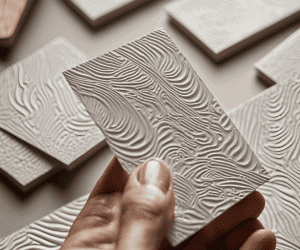
Physical print marketing engages more than just the eyes. The texture of high-quality paper, the weight of a well-crafted business card, or the gloss of a polished brochure can all evoke sensory responses that reinforce brand identity. When people can touch and feel a piece of marketing, it often resonates on a subconscious level, building trust and credibility in ways that a fleeting online ad cannot.
Memorability and Retention
Studies consistently show that people retain information better when it is presented in print form. The tangible nature of print creates a more immersive experience, allowing consumers to focus without the distractions common to digital environments. Direct mail, for example, has a longer shelf life compared to emails, which are often deleted or ignored. This longevity increases the chances of the message being absorbed and acted upon.
Emotional Connection
Print materials foster a sense of exclusivity and personalization. Receiving a beautifully designed catalog or a handwritten note can evoke feelings of importance and appreciation. This emotional connection translates to brand loyalty, as consumers are more likely to remember and trust brands that engage them in meaningful ways.
Standing Out in a Digital World
Inboxes are flooded with emails, and social media feeds are saturated with ads. Print marketing, on the other hand, provides a refreshing break from the digital noise. A well-designed print piece stands out precisely because it is different. When executed creatively, print materials can capture attention in ways that online content struggles to achieve.
Integrating Print with Digital
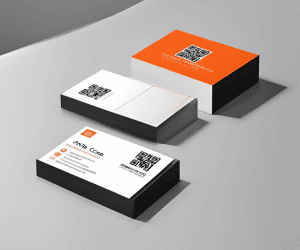
Tactile marketing doesn’t need to replace digital efforts—instead, it complements them. By integrating QR codes, augmented reality (AR), or personalized URLs into print materials, brands can bridge the gap between the physical and digital worlds.
This hybrid approach leverages the strengths of both mediums, enhancing overall engagement and ROI.
The power of tactile marketing lies in its ability to create memorable, sensory-driven brand experiences. In a time when digital interactions often feel fleeting, physical prints offer something lasting and meaningful. By incorporating tactile elements into your marketing strategy, you can build stronger connections with your audience and leave an indelible mark that stands the test of time.
SHARE
Request a Quote
Over the years we have accumulated a lot of knowledge about how to create compelling impactful marketing communications. We are here to answer any questions you might have or offer guidance to help take your project from good to GREAT! Give us a call today.
Used by Google Analytics to determine which links on a page are being clicked
30 seconds
_gat
Used to monitor number of Google Analytics server requests when using Google Tag Manager
1 minute
_gid
ID used to identify users for 24 hours after last activity
24 hours
_ga_
ID used to identify users
2 years
_ga
ID used to identify users
2 years
__utmx
Used to determine whether a user is included in an A / B or Multivariate test.
18 months
__utmv
Contains custom information set by the web developer via the _setCustomVar method in Google Analytics. This cookie is updated every time new data is sent to the Google Analytics server.
2 years after last activity
__utmz
Contains information about the traffic source or campaign that directed user to the website. The cookie is set when the GA.js javascript is loaded and updated when data is sent to the Google Anaytics server
6 months after last activity
__utmc
Used only with old Urchin versions of Google Analytics and not with GA.js. Was used to distinguish between new sessions and visits at the end of a session.
End of session (browser)
__utmb
Used to distinguish new sessions and visits. This cookie is set when the GA.js javascript library is loaded and there is no existing __utmb cookie. The cookie is updated every time data is sent to the Google Analytics server.
30 minutes after last activity
__utmt
Used to monitor number of Google Analytics server requests
10 minutes
__utma
ID used to identify users and sessions
2 years after last activity
_gac_
Contains information related to marketing campaigns of the user. These are shared with Google AdWords / Google Ads when the Google Ads and Google Analytics accounts are linked together.
90 days
Marketing cookies are used to follow visitors to websites. The intention is to show ads that are relevant and engaging to the individual user.