

A well-designed folding carton does more than protect a product. It communicates your brand, attracts attention on the shelf, and creates a positive customer experience. However, even the most visually stunning packaging can run into production issues if certain design considerations are overlooked.
Whether you’re a graphic designer, brand manager, or packaging buyer, understanding some of the most common folding carton design mistakes can help save time, reduce costs, and ensure your finished product looks exactly as intended.
Ignoring the Dieline
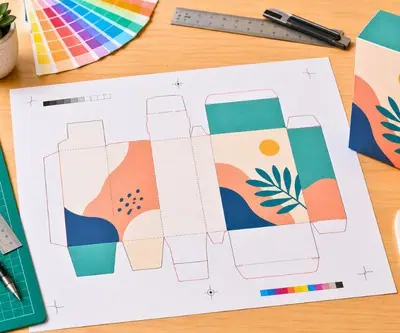
One of the most frequent mistakes in folding carton design is treating the dieline as an afterthought.
The dieline determines where the carton will be cut, folded, glued, and assembled. Artwork that looks perfect on a flat screen may not align correctly once the carton is folded into its final shape.
How to Avoid It
Always design using the approved dieline provided by your printer. Pay close attention to fold lines, glue flaps, panel transitions, and areas where artwork may wrap around corners. Before finalizing your files, review a folded mockup to ensure all design elements align properly.
Placing Important Content Too Close to Trim Areas
Logos, text, barcodes, and other critical information can become compromised if placed too close to cut lines.
Even with highly accurate production equipment, slight variations during printing and finishing can occur. Designs that don’t account for proper safety margins risk having important elements trimmed or appearing visually off-center.
How to Avoid It
Maintain adequate bleed and safety zones throughout your design. As a general rule, keep critical content at least 1/8 inch away from trim lines and ensure background graphics extend beyond the cut area.
Forgetting About the Folded Experience
Many packaging designs are created while viewing the carton as a flat layout. The customer, however, experiences the package as a three-dimensional object.
This can result in awkward visual breaks, misaligned graphics, or messaging that becomes difficult to read once assembled.
How to Avoid It
Review your design as a physical prototype whenever possible. Consider how branding, product information, and imagery appear from multiple viewing angles. A strong carton design should look cohesive from every side.
Using Barcodes Incorrectly
Barcodes are often one of the last elements added to packaging, but they require careful attention.
Poor color choices, insufficient quiet zones, or placement across folds can lead to scanning issues that create headaches for retailers and distributors.
How to Avoid It
Place barcodes on flat panels whenever possible. Follow GS1 guidelines for sizing and clear space requirements. Avoid placing barcodes over busy graphics, metallic inks, or textured finishes unless they have been thoroughly tested.
Choosing Colors Without Considering Print Production
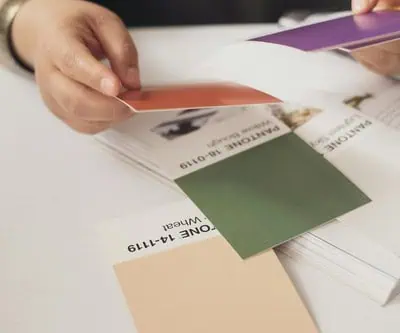
Colors displayed on a monitor can differ significantly from printed results. This is especially true when using specialty coatings, uncoated stocks, or unique printing processes.
How to Avoid It
Work with your printer early in the design process to establish realistic color expectations. Request printed proofs when color accuracy is critical, particularly for brand-sensitive packaging.
Overlooking Material Selection
The structure and appearance of a folding carton are influenced not only by design but also by the paperboard chosen.
A design that performs well on one substrate may behave differently on another. Thickness, rigidity, and finish can all impact the final package.
How to Avoid It
Discuss your product requirements with your printer before finalizing artwork. Factors such as product weight, shipping conditions, retail environment, and sustainability goals should all influence material selection.
Not Accounting for Finishing Effects
Foil stamping, embossing, spot UV, soft-touch coatings, and other embellishments can dramatically enhance a package. However, they require careful planning during the design phase.
Designers sometimes place fine details in areas that are difficult to emboss or create artwork that doesn’t align properly with finishing effects.
How to Avoid It
Build finishing specifications into the design from the start rather than adding them later. Your printer can help identify potential challenges and recommend adjustments that improve both appearance and production efficiency.
Designing Without Printer Input
Perhaps the most costly mistake is waiting until the design is complete before involving your folding carton printer.
Experienced packaging printers can often identify structural improvements, production efficiencies, and potential challenges long before files reach the pressroom.
How to Avoid It
Treat your printer as a design and production partner rather than simply a vendor. Early collaboration can help prevent revisions, reduce costs, and create a smoother path from concept to finished package.
Final Thoughts
Great folding carton design requires more than creativity. It requires an understanding of how packaging functions in the real world, from production and assembly to retail display and consumer interaction.
By avoiding these common mistakes and collaborating with experienced packaging professionals early in the process, designers can create folding cartons that not only look impressive but also perform reliably throughout the supply chain.
At RoyerComm, we work closely with designers, brands, and print brokers to help bring packaging concepts to life. From structural guidance and material recommendations to high-quality printing and finishing, our team helps ensure your folding carton project is successful from concept through production. Get in touch with us today to discuss your next project!