How to Build a Personal Brand as a Creative Professional
From defining your niche to landing speaking opportunities.
In today’s hyperconnected world, building a personal brand isn’t just a nice-to-have—it’s essential, especially for creative professionals. Whether you’re a graphic designer, photographer, illustrator, or creative director, your personal brand sets you apart, attracts your ideal clients, and opens doors to bigger opportunities.
Here’s how to build a personal brand that reflects who you are and where you want to go.
1. Define Your Niche and Voice
The first step to standing out is getting specific. You might be multi-talented, but trying to be everything to everyone will water down your brand.
Ask yourself:
What kind of work do I love doing most?
Who do I want to work with?
What’s my creative superpower?
Once you have clarity, craft a brand voice that reflects your personality and values. Are you bold and edgy? Clean and minimal? Quirky and fun? Make sure that tone comes through in everything you put out into the world.
2. Create a Cohesive Visual Identity
As a creative, your visuals speak just as loudly as your words. Invest time in creating a consistent look and feel across all platforms:
A memorable logo or wordmark
A curated color palette and typography
Templates for social media and presentations
A polished portfolio that reflects your best work
This isn’t just about looking good—it’s about creating recognition. You want people to instantly know when something is you.
3. Build a Strong Online Presence
Your online presence is your digital storefront. Here’s what it should include:
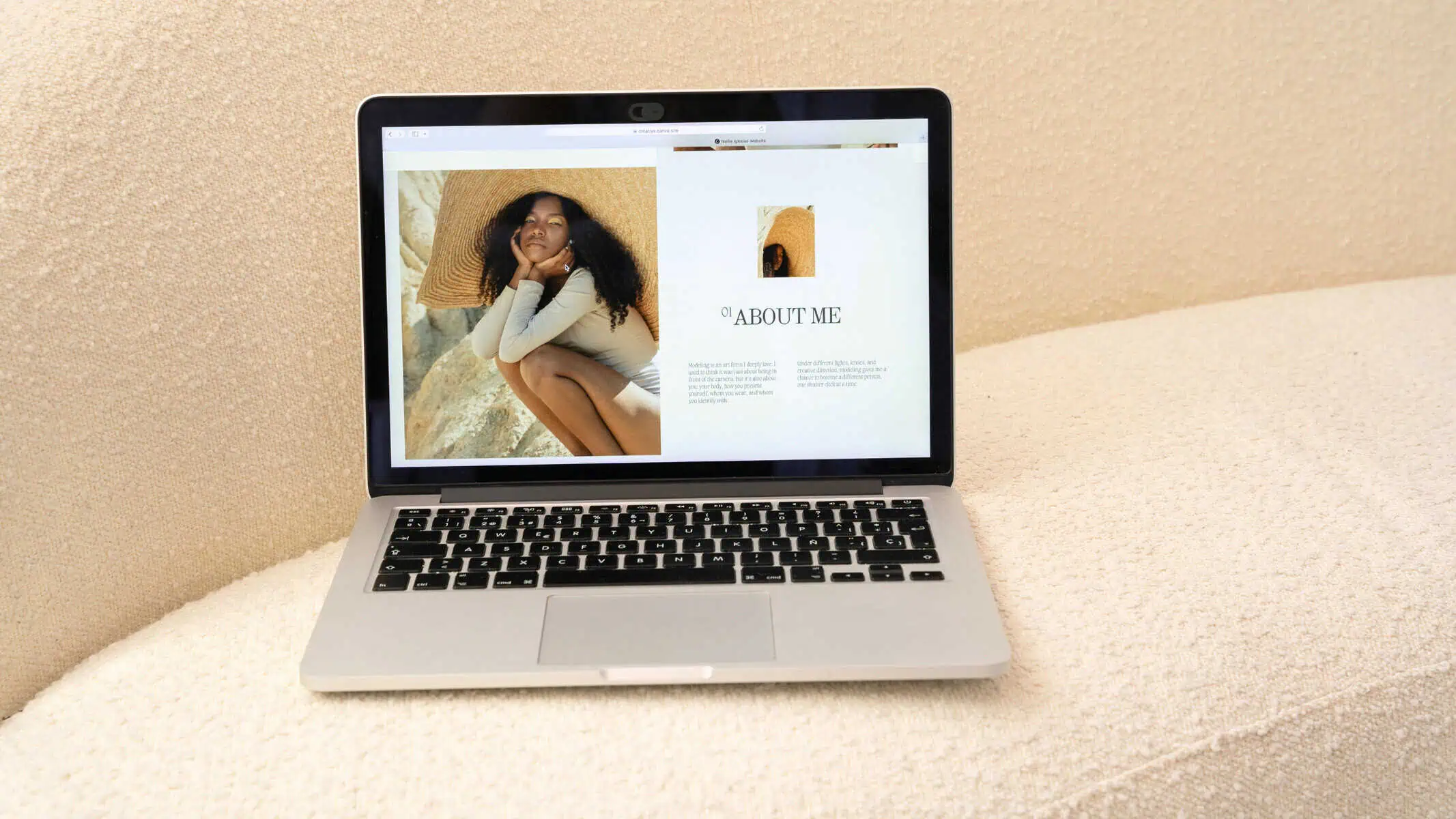
Website: A clean, easy-to-navigate site with your portfolio, bio, services, and contact info. Make it SEO-friendly so people can find you organically.
Social Media: Focus on 1–2 platforms where your audience spends time. Share your work, your process, your opinions, and your personality.
Content Marketing: Blogging, video, or newsletters can showcase your expertise and help build trust with your audience.
Don’t just post your finished work—tell the story behind it. People connect with you, not just your designs.
4. Network Intentionally (Online and Offline)
Creative industries are relationship-driven. Join online communities, attend local events, and connect with people whose work you admire. But go beyond “just networking” and aim for real relationships.
Be generous with your insights, comment thoughtfully on others’ work, and collaborate when possible. Opportunities often come from peers, not just clients.
5. Position Yourself as a Thought Leader
Want to level up your brand and attract higher-quality opportunities? Become known as an expert in your niche.
Start by:
Writing guest posts or articles on industry platforms
Speaking on podcasts or panels
Hosting workshops or webinars
Sharing case studies and deep-dive content on your own channels
Over time, this builds credibility and trust—which are magnets for high-value clients and collaborators.
6. Seek Out Speaking Opportunities
Public speaking is one of the fastest ways to build authority and increase visibility. Start small—local meetups, virtual events, or creative conferences looking for fresh voices. Don’t wait to “feel ready”—just start sharing what you know.
Your goal isn’t to be perfect. It’s to be real, helpful, and memorable.
Your personal brand is more than a logo or Instagram grid—it’s the reputation you build through everything you do. Stay consistent, stay true to your creative values, and stay visible. Whether you’re freelancing, running a studio, or working in-house, a strong personal brand will always open doors.
Poor print results? It might not be your design. Learn how better paper, finish, and print quality from RoyerComm can improve your marketing performance.
Over the years we have accumulated a lot of knowledge about how to create compelling impactful marketing communications. We are here to answer any questions you might have or offer guidance to help take your project from good to GREAT! Give us a call today.