
In today’s digital-first world, attention is easy to get, but trust is harder than ever to earn. Consumers are bombarded with ads, emails, social posts, and AI-generated content at every turn. As a result, skepticism is at an all-time high. People scroll past, ignore, and question what they see online.
That is exactly why print has quietly become more powerful.
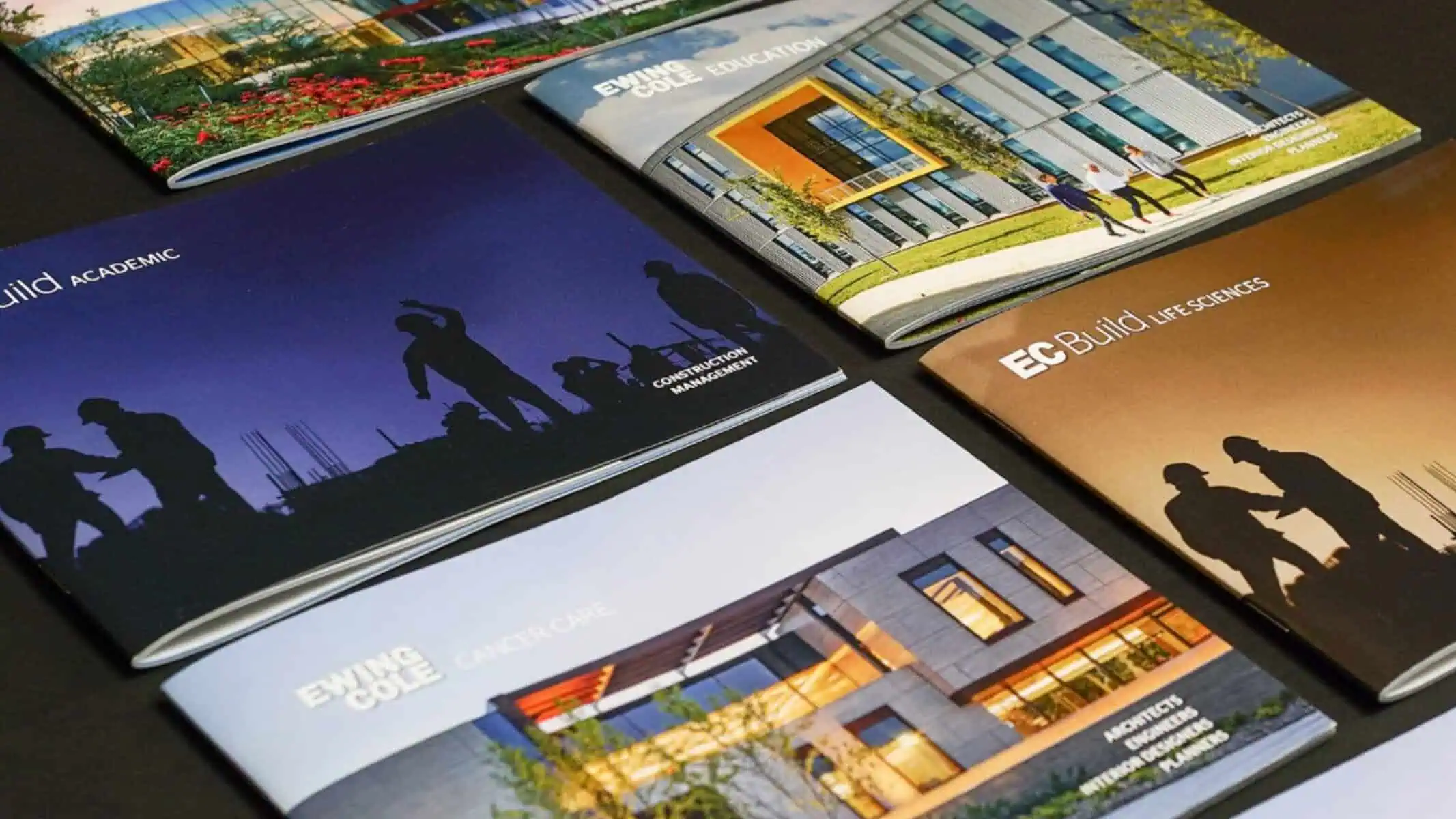
Printed materials such as brochures, catalogs, and packaging carry a level of credibility that digital channels often struggle to match. They feel intentional. They feel permanent. And most importantly, they feel trustworthy.
For brands looking to stand out and build lasting relationships, print is not outdated. It is a strategic advantage.
Why Trust Is Eroding in Digital Channels
Digital marketing is efficient, scalable, and measurable. But it also comes with challenges that directly impact trust:
- Low barrier to entry means anyone can publish anything
- Overexposure leads to ad fatigue and banner blindness
- Concerns about data privacy and misinformation are growing
- Content can be easily manipulated, altered, or deleted
Consumers have adapted by becoming more selective. They are quicker to question claims and slower to commit.
This shift has created an opportunity for brands willing to invest in more tangible, credible touchpoints.
The Psychology Behind Print Marketing Credibility

There is something fundamentally different about holding a printed piece in your hands.
Print engages multiple senses. It has weight, texture, and presence. These physical qualities signal effort and investment, which subconsciously communicates legitimacy.
When a company produces high-quality branded print materials, it sends a clear message:
“We are established. We are serious. We are here to stay.”
That message is difficult to replicate with a digital ad or a landing page alone.
Studies consistently show that consumers perceive printed materials as more trustworthy than digital content. This is not just nostalgia. It is rooted in how people process information and assign value.
Printed Materials Create a Sense of Permanence
Digital content is fleeting. A social media post disappears in minutes. An email gets buried in a crowded inbox. Even websites can change overnight.
Printed materials, on the other hand, have staying power.
A well-designed brochure can sit on a desk for weeks. A catalog can be referenced multiple times. Product packaging lives in a customer’s home, reinforcing your brand every day.
This permanence reinforces credibility. It shows that your business is not just chasing attention, but building something lasting.
Packaging as a Trust-Building Tool
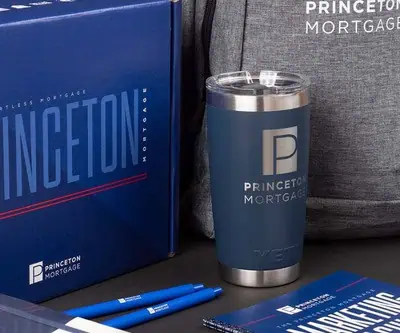
Packaging is often the first physical interaction a customer has with your brand. It is more than protection for a product. It is a credibility signal.
High-quality printed packaging communicates:
- Professionalism
- Attention to detail
- Brand consistency
- Confidence in your product
On the flip side, generic or poorly printed packaging can raise doubts, even if the product itself is excellent.
In a competitive market, custom printed cartons and packaging can be the difference between being perceived as a premium brand or an afterthought.
Brochures and Catalogs Build Authority

While digital content is great for discovery, printed materials excel at reinforcing authority.
A thoughtfully designed brochure or catalog allows you to:
- Tell your story in a structured, distraction-free format
- Showcase products and services with intention
- Provide detailed information that customers can revisit
- Create a curated brand experience
Unlike a webpage filled with pop-ups and competing links, print gives your audience a focused experience. That focus builds confidence and clarity.
For industries where trust is critical, such as manufacturing, healthcare, or B2B services, this can have a significant impact on decision-making.
Print Complements Digital, It Does Not Replace It
The most effective marketing strategies are not digital or print. They are both.
Print enhances digital by adding credibility to your overall brand presence. For example:
- A direct mail piece can drive traffic to your website
- A printed catalog can support online purchasing decisions
- Branded packaging can encourage social sharing and repeat business
When print and digital work together, they create a more cohesive and trustworthy brand experience.
Building Trust With Print in a Skeptical Market
If your goal is to build trust with print, quality and strategy matter.
Here are a few key considerations:
Invest in design
Your printed materials should reflect your brand at its best. Clean layouts, strong typography, and consistent branding are essential.
Choose the right materials
Paper stock, finishes, and printing techniques all contribute to how your brand is perceived.
Be intentional with messaging
Print is not about volume. It is about clarity and impact. Focus on what matters most to your audience.
Align with your overall brand strategy
Your print materials should reinforce the same messaging and positioning as your digital presence.
Why Print Still Matters More Than You Think
In a world where digital content is everywhere, credibility has become the real differentiator.
Printed materials cut through the noise by offering something digital cannot fully replicate: trust you can hold in your hands.
For brands that want to be taken seriously, remembered, and chosen, investing in branded print materials is not just a creative decision. It is a strategic one.
At RoyerComm, we help businesses create printed materials that do more than look good. They build confidence, reinforce brand value, and support long-term growth.
Because in a skeptical market, trust is everything. And print still delivers it.
In today’s digital-first world, attention is easy to get, but trust is harder than ever to earn. Consumers are bombarded with ads, emails, social posts, and AI-generated content at every turn. As a result, skepticism is at an all-time high. People scroll past, ignore, and question what they see online.
That is exactly why print has quietly become more powerful.
Printed materials such as brochures, catalogs, and packaging carry a level of credibility that digital channels often struggle to match. They feel intentional. They feel permanent. And most importantly, they feel trustworthy.
For brands looking to stand out and build lasting relationships, print is not outdated. It is a strategic advantage.
Why Trust Is Eroding in Digital Channels
Digital marketing is efficient, scalable, and measurable. But it also comes with challenges that directly impact trust:
- Low barrier to entry means anyone can publish anything
- Overexposure leads to ad fatigue and banner blindness
- Concerns about data privacy and misinformation are growing
- Content can be easily manipulated, altered, or deleted
Consumers have adapted by becoming more selective. They are quicker to question claims and slower to commit.
This shift has created an opportunity for brands willing to invest in more tangible, credible touchpoints.
The Psychology Behind Print Marketing Credibility
There is something fundamentally different about holding a printed piece in your hands.
Print engages multiple senses. It has weight, texture, and presence. These physical qualities signal effort and investment, which subconsciously communicates legitimacy.
When a company produces high-quality branded print materials, it sends a clear message:
“We are established. We are serious. We are here to stay.”
That message is difficult to replicate with a digital ad or a landing page alone.
Studies consistently show that consumers perceive printed materials as more trustworthy than digital content. This is not just nostalgia. It is rooted in how people process information and assign value.
Printed Materials Create a Sense of Permanence
Digital content is fleeting. A social media post disappears in minutes. An email gets buried in a crowded inbox. Even websites can change overnight.
Printed materials, on the other hand, have staying power.
A well-designed brochure can sit on a desk for weeks. A catalog can be referenced multiple times. Product packaging lives in a customer’s home, reinforcing your brand every day.
This permanence reinforces credibility. It shows that your business is not just chasing attention, but building something lasting.
Packaging as a Trust-Building Tool
Packaging is often the first physical interaction a customer has with your brand. It is more than protection for a product. It is a credibility signal.
High-quality printed packaging communicates:
- Professionalism
- Attention to detail
- Brand consistency
- Confidence in your product
On the flip side, generic or poorly printed packaging can raise doubts, even if the product itself is excellent.
In a competitive market, custom printed cartons and packaging can be the difference between being perceived as a premium brand or an afterthought.
Brochures and Catalogs Build Authority
While digital content is great for discovery, printed materials excel at reinforcing authority.
A thoughtfully designed brochure or catalog allows you to:
- Tell your story in a structured, distraction-free format
- Showcase products and services with intention
- Provide detailed information that customers can revisit
- Create a curated brand experience
Unlike a webpage filled with pop-ups and competing links, print gives your audience a focused experience. That focus builds confidence and clarity.
For industries where trust is critical, such as manufacturing, healthcare, or B2B services, this can have a significant impact on decision-making.
Print Complements Digital, It Does Not Replace It
The most effective marketing strategies are not digital or print. They are both.
Print enhances digital by adding credibility to your overall brand presence. For example:
- A direct mail piece can drive traffic to your website
- A printed catalog can support online purchasing decisions
- Branded packaging can encourage social sharing and repeat business
When print and digital work together, they create a more cohesive and trustworthy brand experience.
Building Trust With Print in a Skeptical Market
If your goal is to build trust with print, quality and strategy matter.
Here are a few key considerations:
Invest in design
Your printed materials should reflect your brand at its best. Clean layouts, strong typography, and consistent branding are essential.
Choose the right materials
Paper stock, finishes, and printing techniques all contribute to how your brand is perceived.
Be intentional with messaging
Print is not about volume. It is about clarity and impact. Focus on what matters most to your audience.
Align with your overall brand strategy
Your print materials should reinforce the same messaging and positioning as your digital presence.
Why Print Still Matters More Than You Think
In a world where digital content is everywhere, credibility has become the real differentiator.
Printed materials cut through the noise by offering something digital cannot fully replicate: trust you can hold in your hands.
For brands that want to be taken seriously, remembered, and chosen, investing in branded print materials is not just a creative decision. It is a strategic one.
At RoyerComm, we help businesses create printed materials that do more than look good. They build confidence, reinforce brand value, and support long-term growth.
Because in a skeptical market, trust is everything. And print still delivers it.