

Trade shows are full of noise. Every booth has a banner, a table, and a stack of brochures that often get glanced at and left behind. If you are investing time and money into exhibiting, your printed materials should do more than fill a table. They should create real conversations, support your sales process, and give prospects a reason to follow up after the event.
The companies that consistently win at trade shows are not relying on a single brochure. They are using a mix of strategic print pieces that feel intentional, memorable, and useful. Here are the types of printed materials that tend to perform best and why they work.
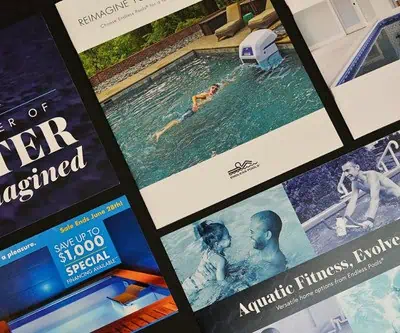
Sales Kits That Guide the Conversation
A well-designed sales kit does more than present information. It creates structure for your booth conversations and helps your team stay consistent in how they present your offer.
Instead of handing out a generic tri-fold brochure, a sales kit can include a folder with multiple inserts. Each insert focuses on a specific product, service, or use case. This allows your team to tailor the conversation in real time based on who they are speaking with.
Dimensional Mailers That Break Through the Noise
Dimensional mailers are one of the most overlooked opportunities in trade show marketing. These are the pieces that are thicker, textured, or even three-dimensional. They stand out because they feel different the moment someone picks them up.
At a crowded event, tactile engagement matters. A rigid mailer, a box-style leave-behind, or a uniquely folded piece immediately signals that your brand pays attention to detail. That perception carries over into how people view your products and services.
These types of pieces also work well as part of a pre-show or post-show follow-up strategy. Sending a dimensional mailer to key prospects before the event can increase booth traffic. Sending one after the event can help you stay top of mind in a way that email alone cannot.
Sample Packs That Show Instead of Tell
If you are in printing, packaging, or any kind of manufacturing, your best sales tool is often your actual work. Sample packs allow you to put that work directly into the hands of your prospects.
A strong sample pack is curated. It is not a random collection of everything you have ever produced.
This approach reinforces key search intent topics like print quality, material options, and finishing techniques. It also answers questions prospects may have before they even ask them. When someone can see and feel the difference between standard and premium finishes, the conversation shifts from price to value.
Leave-Behinds That Earn a Second Look
Most leave-behinds get thrown away. The ones that perform well are the ones that people keep.
This could be a well-designed reference guide, a checklist, or even a small tool that is relevant to your audience. For example, a print buyer might keep a paper weight guide or a finishing options chart. A marketing manager might hold onto a piece that outlines trade show marketing strategies or print campaign ideas.
The key is usefulness. When your leave-behind provides ongoing value, it stays on desks instead of in trash cans. That means your brand stays visible long after the trade show ends.
Including clear calls to action tied to specific services such as custom print solutions, direct mail campaigns, or packaging design services can help turn that ongoing visibility into real opportunities.
Short Run Pieces for Targeted Conversations
Not every prospect at a trade show is the same. Some are early in the research phase, while others are ready to move forward. Short run printing allows you to create targeted pieces for different segments without committing to large quantities.
This is especially useful for niche industries or specific verticals. You can create tailored collateral that speaks directly to healthcare, education, retail, or manufacturing audiences. This level of personalization makes your conversations more relevant and increases the likelihood of follow-up.
It also aligns with broader marketing trends around personalization and account-based marketing. When your print materials feel specific, your brand feels more intentional.
The Role of Print in Driving Post-Show Follow Up
The real value of a trade show is what happens after it ends. Your printed materials should support that next step.
Every piece you hand out should make it easy for someone to remember who you are and what you do. That includes clear branding, consistent messaging, and simple ways to take action. QR codes, personalized URLs, and tracked landing pages can bridge the gap between print and digital marketing.
When print and digital work together, you create a smoother path from initial conversation to conversion. This is where trade show marketing becomes measurable and repeatable.
Bringing It All Together
The best-performing trade show print pieces are not random. They are part of a larger strategy that considers how people interact with your brand before, during, and after the event.
Sales kits guide the conversation. Dimensional mailers capture attention. Sample packs demonstrate quality. Leave-behinds create lasting value. Short run pieces allow for targeted messaging.
When these elements work together, your booth becomes more than just a place people walk by. It becomes a place where meaningful conversations start and where real business opportunities take shape.
If you are planning for an upcoming trade show, it is worth stepping back and asking a simple question. Are your print materials just there to fill space, or are they actively helping you win better conversations and better clients?
If you have questions and are looking to strategize, RoyerComm is a phone call away! Get in touch with our team today.