Eco-Friendly Printing: What Are Your Sustainable Options?
When it comes to consumer electronics, packaging is more than a container. It is both the first line of defense against damage and the first impression a customer has of a brand. Folding cartons serve this dual role well, combining structural protection with the opportunity to create a thoughtful and engaging unboxing experience.
Protection Built Into Design
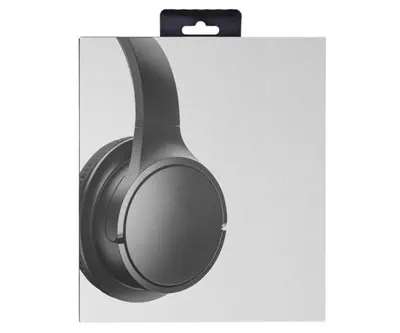
Electronics come with fragile components, from delicate screens to intricate wiring. Folding cartons can be engineered with inserts, reinforced panels, and layered structures that reduce the risk of impact during shipping and handling. The right carton design helps ensure a product reaches the customer exactly as intended, without the cost or frustration of returns. This protective function is particularly important for items like headphones, smartwatches, and accessories that must travel through complex distribution channels before landing in the hands of a customer.
A Stage for the Brand Experience
In a competitive market, the unboxing moment has become part of the product itself. Folding cartons allow electronics brands to present products in a way that feels deliberate. Strategic use of opening panels, printed interiors, and layered reveals guide the customer through a sequence, turning a practical step into a branded ritual. This experience not only reinforces quality but also encourages sharing on social platforms, extending brand reach beyond the point of sale.
Balancing Efficiency and Impact
Cartons also make it possible to balance functionality with sustainability. Lightweight materials reduce shipping costs while precise structural engineering reduces waste. Brands can explore eco-friendly finishes, recycled content, and minimalist graphics without compromising strength or visual appeal. The result is packaging that resonates with today’s consumer values while still standing up to the demands of logistics.
Elevating Everyday Electronics
Whether it is a premium pair of earbuds or an entry-level device, folding cartons bring consistency to the customer journey. They protect the product, support efficient distribution, and deliver a brand experience that feels curated. By integrating structural strength with creative expression, folding cartons transform packaging into a vital part of the overall product value. Get in touch with our team today to discuss your next project!
Over the years we have accumulated a lot of knowledge about how to create compelling impactful marketing communications. We are here to answer any questions you might have or offer guidance to help take your project from good to GREAT! Give us a call today.
Used by Google Analytics to determine which links on a page are being clicked
30 seconds
_gat
Used to monitor number of Google Analytics server requests when using Google Tag Manager
1 minute
_gid
ID used to identify users for 24 hours after last activity
24 hours
_ga_
ID used to identify users
2 years
_ga
ID used to identify users
2 years
__utmx
Used to determine whether a user is included in an A / B or Multivariate test.
18 months
__utmv
Contains custom information set by the web developer via the _setCustomVar method in Google Analytics. This cookie is updated every time new data is sent to the Google Analytics server.
2 years after last activity
__utmz
Contains information about the traffic source or campaign that directed user to the website. The cookie is set when the GA.js javascript is loaded and updated when data is sent to the Google Anaytics server
6 months after last activity
__utmc
Used only with old Urchin versions of Google Analytics and not with GA.js. Was used to distinguish between new sessions and visits at the end of a session.
End of session (browser)
__utmb
Used to distinguish new sessions and visits. This cookie is set when the GA.js javascript library is loaded and there is no existing __utmb cookie. The cookie is updated every time data is sent to the Google Analytics server.
30 minutes after last activity
__utmt
Used to monitor number of Google Analytics server requests
10 minutes
__utma
ID used to identify users and sessions
2 years after last activity
_gac_
Contains information related to marketing campaigns of the user. These are shared with Google AdWords / Google Ads when the Google Ads and Google Analytics accounts are linked together.
90 days
Marketing cookies are used to follow visitors to websites. The intention is to show ads that are relevant and engaging to the individual user.